Spices


Mumbai Maharashtra India .
+91 8291718381
info@astroexportimport.com

Spices

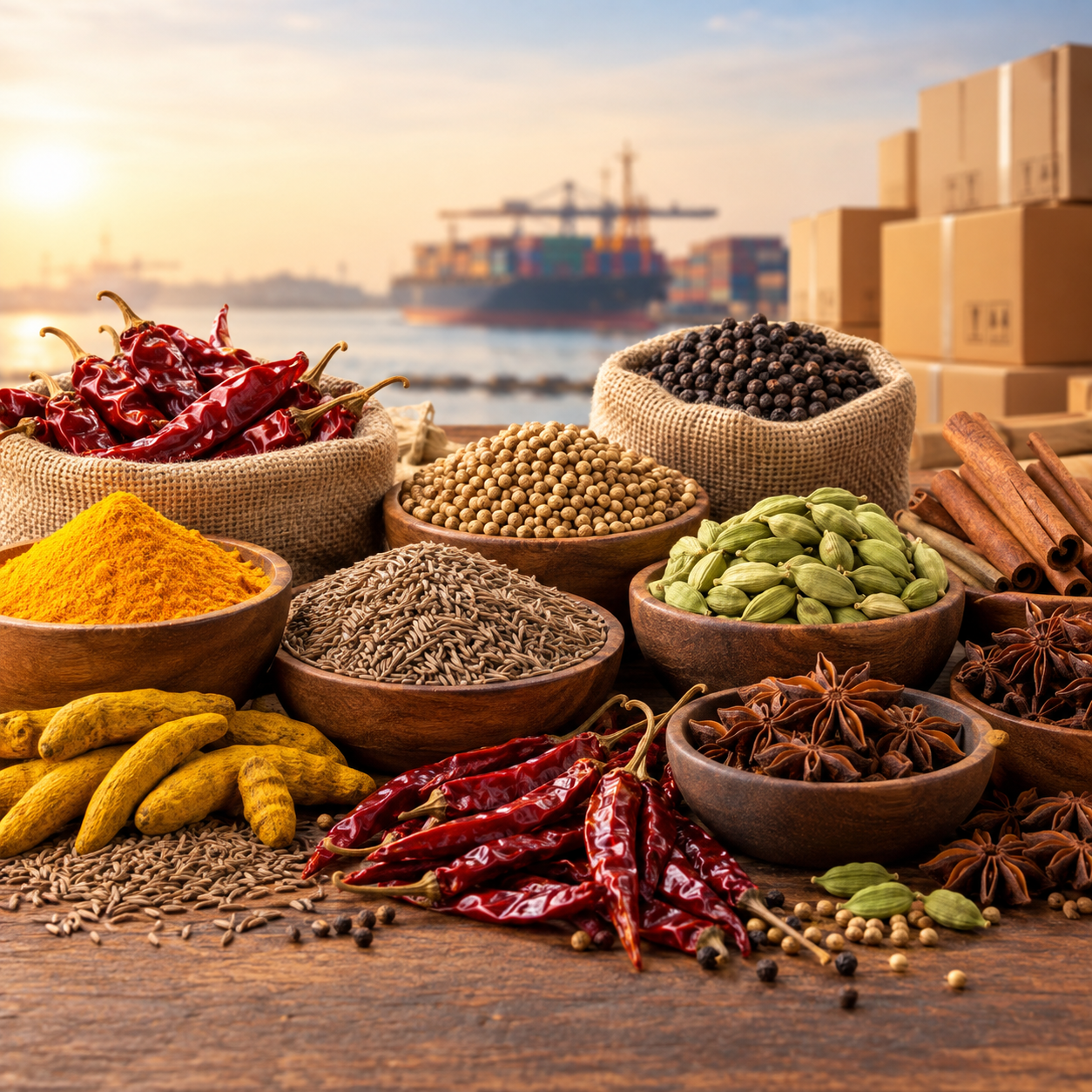
Spices can be used in various forms, including fresh, whole, dried, grated, chopped, crushed, ground, or extracted into a tincture. These processes may occur before the spice is sold, during meal preparation in the kitchen, or even at the table when serving a dish, such as grinding peppercorns as a condiment. Certain spices are rarely available fresh or whole, and are typically purchased in ground form. Small seeds, such as fennel and mustard, can be used either in their whole form or as a powder,A whole dried spice has the longest shelf life, so it can be purchased and stored in larger amounts, making it cheaper on a per-serving basis. A fresh spice, such as ginger, is usually more flavourful than its dried form, but fresh spices are more expensive and have a much shorter shelf life,Spice seeds are the tiny aromatic fruits and oil-bearing seeds of herbaceous plants such as anise, caraway, cumin, fennel, poppy, and sesame. Herbs are the fresh or dried aromatic leaves of such plants as marjoram, mint, rosemary, bay leaf, parsley, and thyme. Spices, spice seeds, and herbs are employed as adjuncts to impart flavour and aroma or piquancy to foods. In the small quantities used to prepare culinary dishes, they have little nutritional value, but they stimulate the appetite, add zest to food, and enhance flavours.
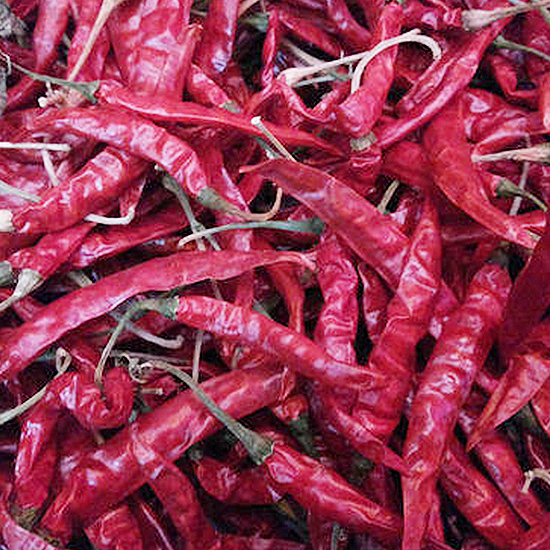
Chili peppers, also spelled chile or chilli, are varieties of berry-fruit plants from the genus Capsicum, which are members of the nightshade family Solanaceae, cultivated for their pungency. They are used as a spice to add pungency in many cuisines,Chili peppers, also spelled chile or chilli (from Classical Nahuatl chīlli), are varieties of berry-fruit plants which are members of the nightshade family Solanaceae, cultivated for their pungency (spicy heat). They are used as a spice to add pungency in many cuisines. Capsaicin and the related capsaicinoids give chili peppers their intensity when ingested or applied topically. Chili peppers exhibit a range of heat and flavors. This diversity is the reason behind the availability of different types of chili powder, each offering its own taste and heat level,The hot red chilli is believed to have originated in Mexico and is now grown in tropical and subtropical regions of the United States of America, India, Japan, Turkey, and African countries. About 90% of chilli is produced in Asian countries